

Breaking : Questions Trail as Aninri Gets Just One Slot Among 101 New Mbah Appointments
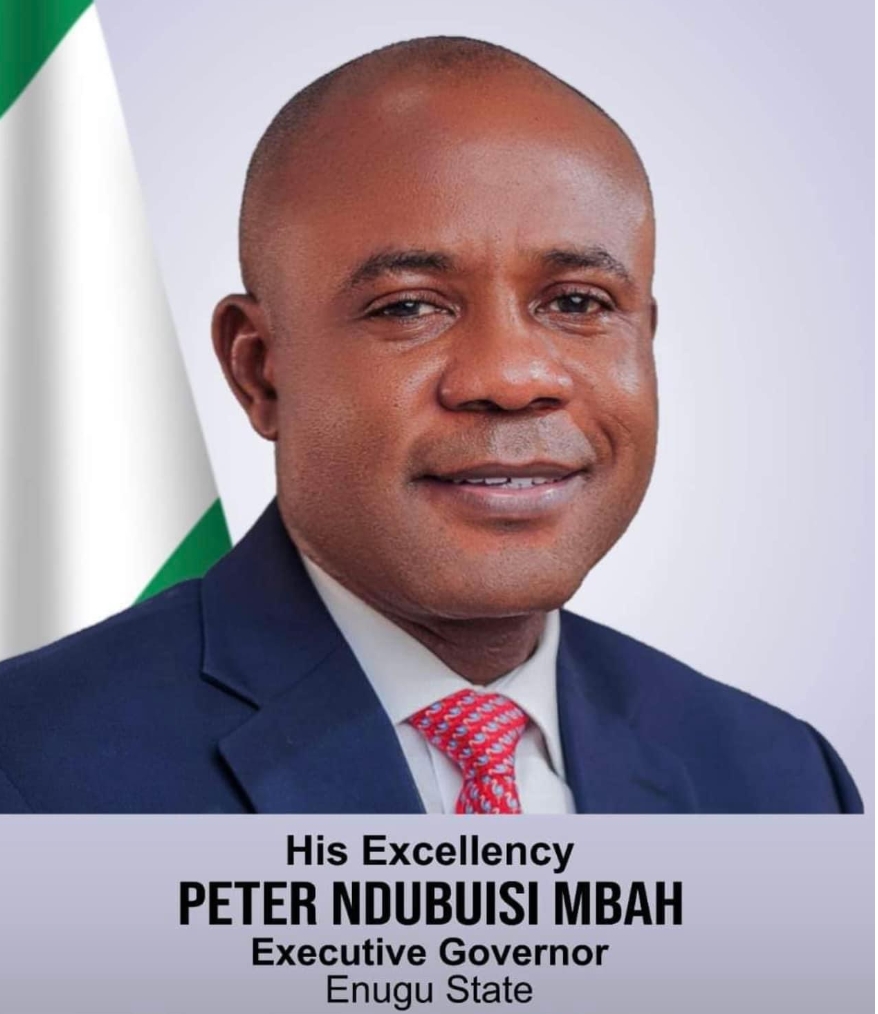

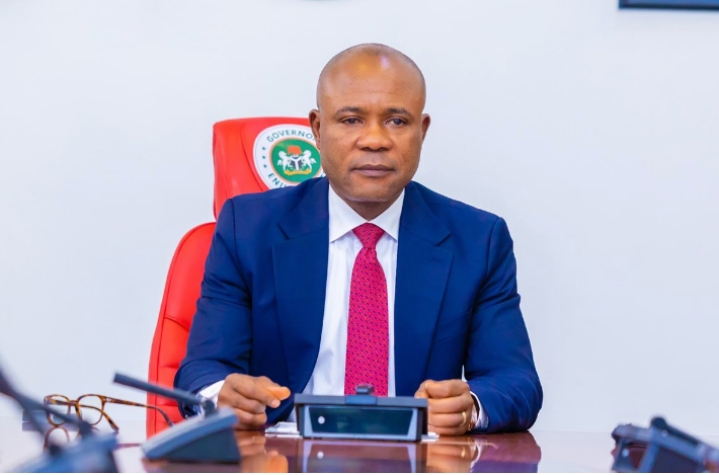
Enugu State Governor, Dr. Peter Ndubuisi Mbah, has approved another batch of 101 appointments comprising Special Advisers (SPAs), Senior Special Assistants (SSAs) and Special Assistants (SAs), according to a statement signed by the Secretary to the State Government, Prof. Chidiebere Onyia, dated Monday, September 21, 2026.
While the appointments cover a wide range of responsibilities — from grassroots coordination, youth development and community engagement to infrastructure, health, environment, political mobilisation and rural development — the list has also raised questions about geographical representation and inclusion, particularly in Aninri Local Government Area.
The Aninri Question
Among the 101 names released, only one appointee is being identified with Aninri.
That development raises an important question for stakeholders and residents of Aninri:
Does one appointment adequately reflect Aninri's representation in a 101-man appointment list?
The question becomes particularly significant because Aninri is one of the 17 Local Government Areas in Enugu State and has communities and political stakeholders spread across the four traditional areas of Mpu, Ndeaboh, Nenwe and Oduma.
Rather than viewing the issue through the lens of party politics, the concern can be examined from the perspective of fairness, inclusion and equitable representation in government.
Did Aninri Not Support the Administration?
Another question being raised in some quarters is whether Aninri's level of political support for the Mbah administration has been adequately reflected in appointments.
But this question should not be reduced simply to the number of votes cast.
Government appointments can be based on several considerations, including professional competence, experience, political responsibilities, geographical balancing, administrative needs and other considerations determined by the appointing authority.
Therefore, the central issue is not whether every LGA must receive a fixed number of appointments, but whether the overall pattern of appointments demonstrates a reasonable sense of inclusion and balance across Enugu State.
What Do the 101 Appointments Tell Us?
The latest list contains appointments covering virtually every aspect of government-community relations.
There are portfolios for:
- Grassroots coordination
- Rural development
- Community engagement
- Youth development
- Women mobilisation
- Infrastructure monitoring
- Environmental management
- Political mobilisation
- Traditional and chieftaincy affairs
- Public communication
- Health facility maintenance
- Technology and innovation
- Security intelligence
- Market sanitation
- Social welfare
- Education and civic awareness
- Land and boundary matters
With such a broad range of responsibilities, stakeholders may reasonably ask whether communities across the state's LGAs are being sufficiently represented within the appointment structure.
Aninri Stakeholders Have Questions
For Aninri, the conversation should therefore move beyond political sentiment and focus on measurable representation.
Questions worth asking include:
1. How many of the 101 appointees are from each Local Government Area in Enugu State?
2. What criteria were used in determining the geographical spread of the appointments?
3. How does Aninri's representation compare with that of the other LGAs?
4. Are there additional appointments expected in subsequent phases?
5. What role do competence, professional expertise, community contribution and political representation play in determining appointments?
These are legitimate questions that can be answered with facts rather than speculation.
Representation Should Remain a Public Conversation
Governor Mbah's administration has made appointments across different sectors since assuming office, and the latest list demonstrates the administration's continuing reliance on advisers and assistants to support its programmes.
However, as further appointments are made, stakeholders from Aninri and other parts of the state will naturally continue to watch the geographical spread.
For Aninri, the concern is simple:
If 101 people can be appointed in one batch, why does the representation attributed to Aninri appear so limited?
That question deserves an answer based on the official appointment records and the Governor's criteria for representation.
This is not necessarily a call for appointments based solely on place of origin. Rather, it is a call for transparency, inclusion and equitable opportunity.
The Voice of the Masses Asks
Aninri has people with professional qualifications, political experience, administrative capacity, youth leadership experience, community development records and expertise across different sectors.
The question, therefore, is not whether Aninri has qualified people.
The question is:
Is Aninri receiving a fair opportunity to participate in the administration?
As the Mbah administration continues to make appointments, Aninri stakeholders will be watching — not merely for positions, but for evidence that the principle of inclusion applies across the entire state.
Representation matters. Inclusion matters. Fairness matters.
And the people of Aninri are entitled to ask questions.
Vox Populi, Vox Dei.
Leave a Reply
Your email address will not be published. Required fields are marked *
My name is Emelda Mbamalu
I hails from Aninri(nenwe) to be precise and have been supportive to this Government. But there’s one thing I know; a particular government must not favor everyone and appointment is by choice more er than qualifications. And that’s why it’s rotational, we will keep our head high and our good work until we get there. Congratulations to all that have been appointed.
Comr. Onyeabor chisom justice (Khalifa) editor at the voice of the masses
@Emelda, with due respect, the issue is not entitlement but representation and inclusion. The latest list contains 101 appointments, yet only two persons has been identified with Aninri. That is a legitimate concern, especially when appointments are discretionary and should reflect geographical and political inclusion. Aninri has not been completely ignored, and stakeholders have expressed support for Governor Mbah. However, supporters can still ask whether Aninri is adequately represented. Congratulations to those appointed, but that should not prevent legitimate questions about fairness and inclusion.